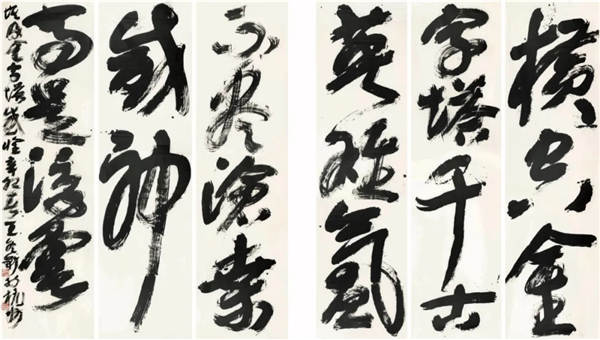
Chinese Calligraphy
Introduction
Chinese calligraphy is an esteemed traditional art form that blends visual art with the Chinese written language. It is not only a means of communication but also an artistic expression that captures the philosophical and aesthetic values of Chinese culture. Through its evolution from ancient scripts to the distinct styles we recognize today, Chinese calligraphy has become a significant cultural symbol, treasured both in China and around the world.
Historical Evolution
The origins of Chinese calligraphy can be traced back to inscriptions on oracle bones from the Shang Dynasty (c. 16th century-11th century BC) in Anyang, Henan province. Over time, calligraphy gradually took shape as a form of art rather than a mere means of record. The five major styles of script, running, cursive, official, seal and regular, were born from such calligraphy. Each style has its unique characteristics and artistic appeal, contributing to the rich tapestry of Chinese calligraphy.
Prominent Calligraphers and Works
Many renowned calligraphers have contributed to the evolution of Chinese calligraphy through the ages. Wang Xizhi, known as the "Sage of Calligraphy" from the Eastern Jin Dynasty (317-420), is celebrated for his masterpieces "Lan Ting Xu" (The Orchid Pavilion Preface). His influence is profound, and his style has inspired countless practitioners. Other notable figures include Yan Zhenqing, whose calligraphy reflects the doctrine of moderation, and contemporary artists like Wang Dongling, who explore the fusion of traditional and modern styles.
Artistic and Cultural Significance
Chinese calligraphy is more than a form of writing; it is a revered art that embodies the principles of balance, harmony and composition. The practice requires mastery over the brush, ink density and paper texture, with every stroke reflecting the calligrapher’s emotions and philosophy. This art form is not only integral to Chinese culture but also serves as a bridge for cross-cultural exchange, appreciated by scholars and enthusiasts globally.
The practice of Chinese calligraphy remains vibrant today, celebrated as a living heritage of aesthetic beauty and cultural wisdom. It continues to inspire new generations, not only within China but also among international audiences who appreciate its artistic and intellectual depth.
Contemporary Development
Today, Chinese calligraphy is taught in schools across China and is a part of the curriculum in both primary and secondary education. It is also a field of study in higher education institutions, where students delve deeper into its artistic and historical aspects. Additionally, traditional methods of learning through master-apprentice relationships continue to thrive, ensuring the art form's preservation and propagation.
Modern calligraphers continue to explore and innovate within the traditional framework, blending calligraphy with other art forms such as dance and digital media. This has led to new artistic expressions that resonate with both traditional aesthetics and contemporary sensibilities. The integration of Chinese calligraphy into fashion, digital art and global exhibitions further illustrates its adaptability and enduring relevance.








